
STAR BRONZE CHURCH BELL STATUES

In ancient times, bronze bells were used as percussion instruments to convey messages. As our ancestors advanced, churches used bells to call believers to worship meetings. And to accompany the church procession of the Cross. Sometimes as an alarm signal (alarm bell). Remind believers of a religion to prepare for an enemy attack. The Bronze Church Bell signifies joy and celebration on important occasions. Now, we can listen to the bronze Church Bell and relax. You can find more information about the making of the Church Bell.
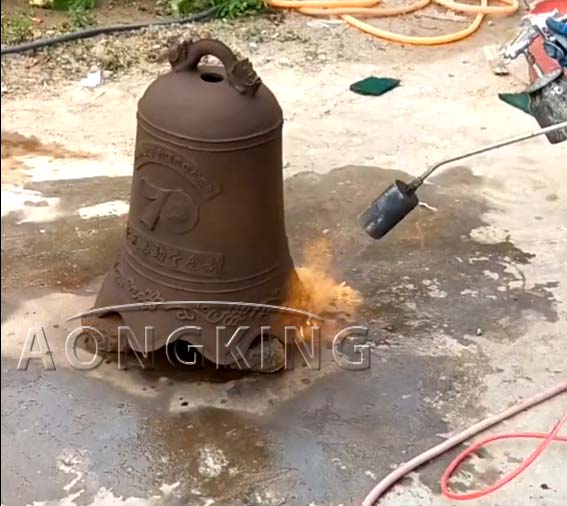
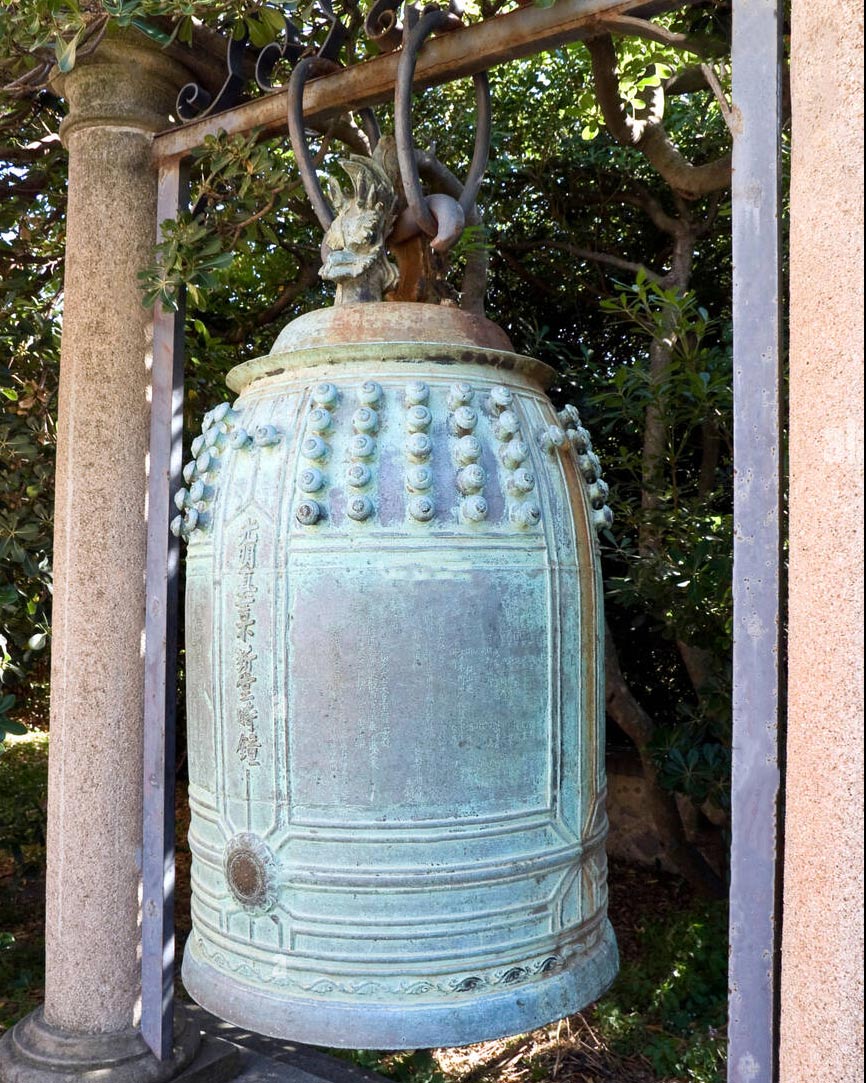
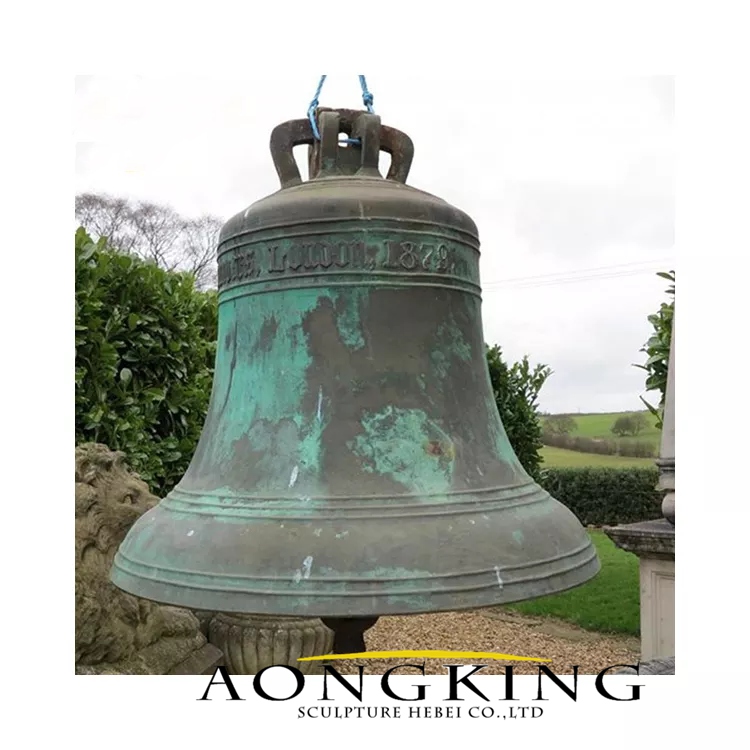
Aongking hot Patina color bronze church bell

Patina color Church Bell Sculpture

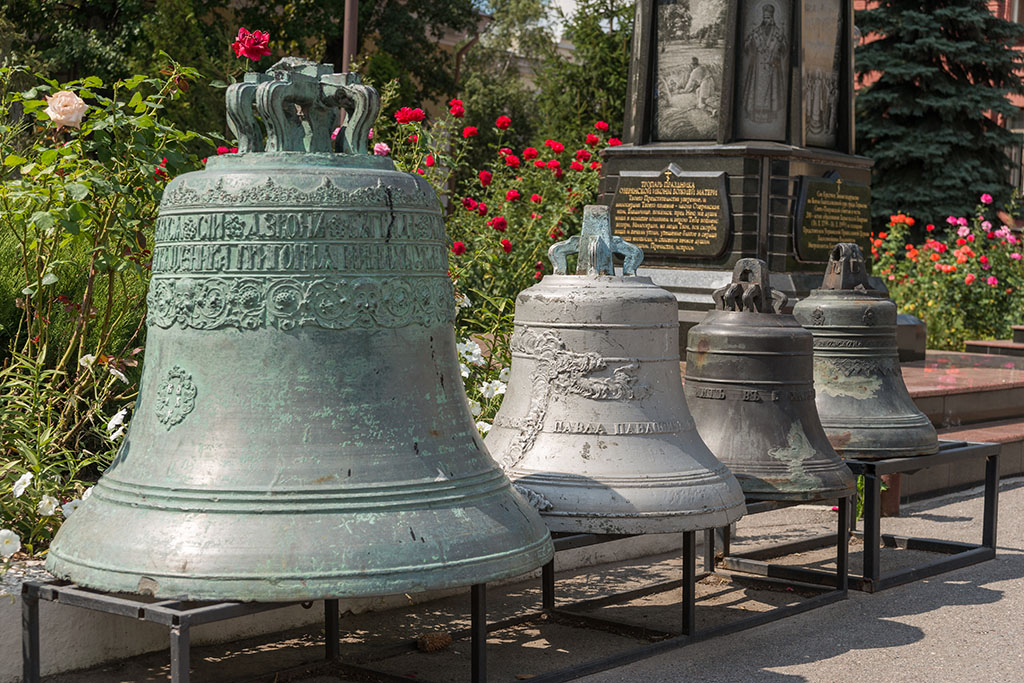
large bronze church bell Aongking

Large Bronze Church Bell

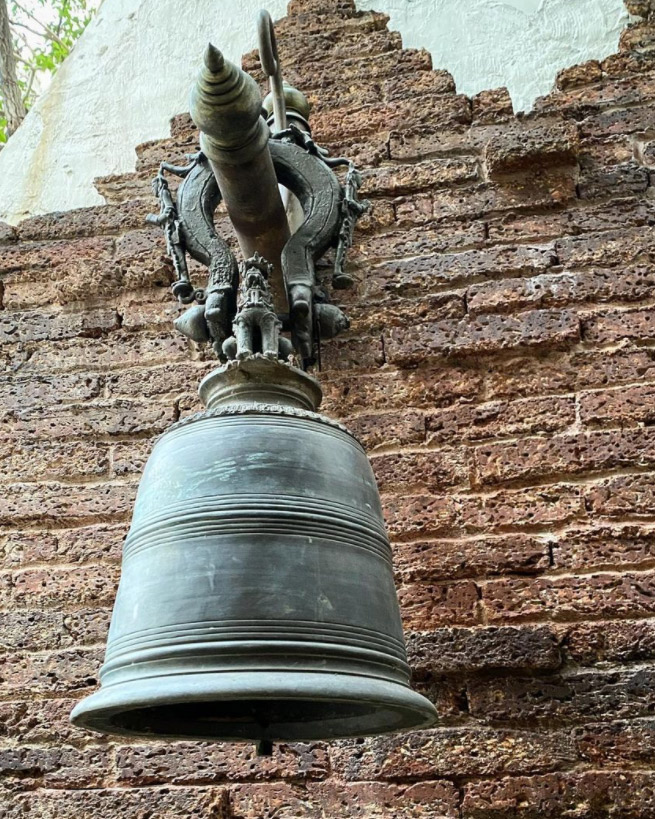
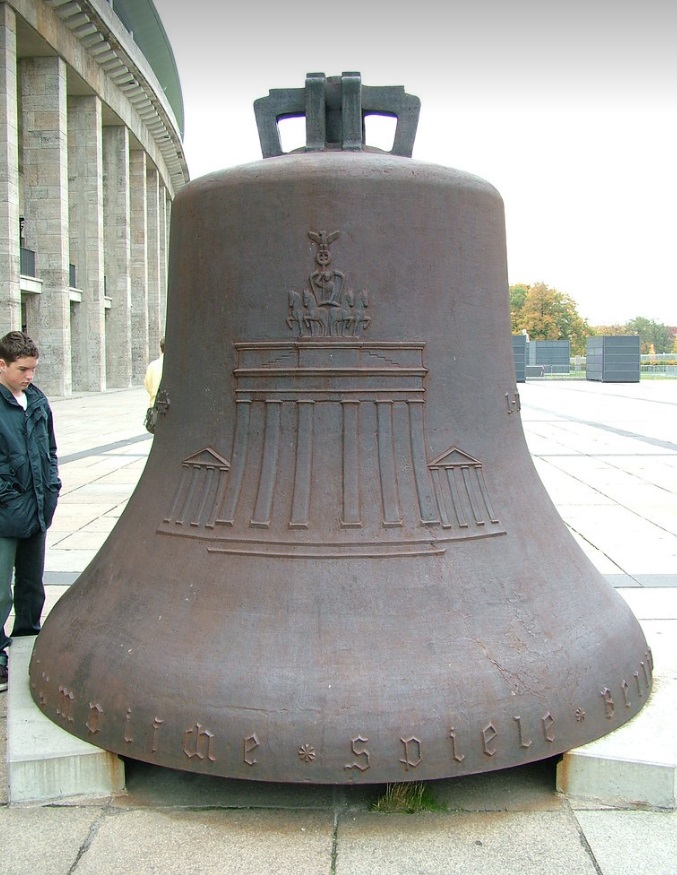
antique bronze bell for church

Antique Bronze Church Bell

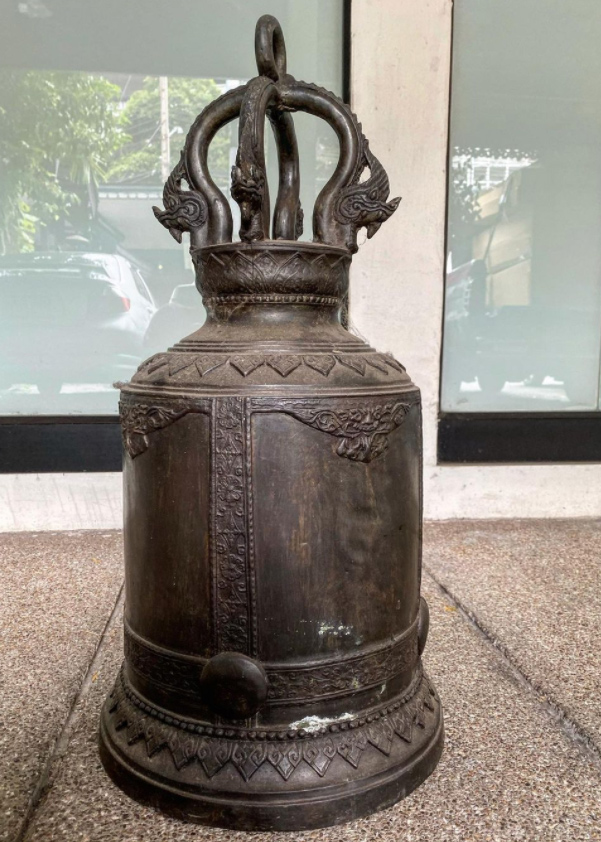
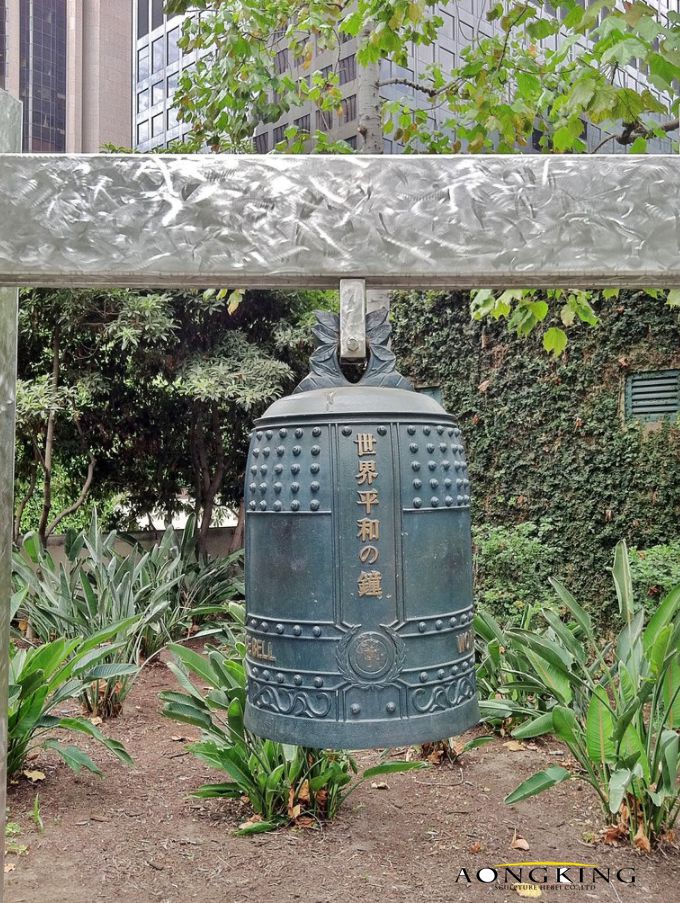
brass hanging bell for church decor

Brass Hanging Bell For Church

BRONZE CHURCH BELL STATUES CATEGORY

Placement Guide for Religious Bronze Bells

Religious bronze bells (such as bronze church bells, bronze temple bells, Taoist temple bells, etc.) are not only time-keeping tools but also symbols of faith. Their placement must take into account religious rituals, traditional feng shui, and practical functions. Here are placement guidelines for different types of religious bells:

1. Christian bronze church bell Location selection:

1-1 Bronze bell tower
Traditional church bronze bells are usually placed in separate bell towers or on the top of the church, and their sounds can be heard far away, symbolizing “calling the believers”. The bell towers are mostly located on the west side of the church or above the entrance, symbolizing the boundary between the sacred and the secular.
1-2 Interior bronze bell 
The small ceremonial bronze bells can be placed beside the altar and are used in liturgical ceremonies (such as the Eucharistic bronze bell).

Notes:

Orientation: The bronze bell should face an open area to avoid sound being blocked.
Height: The bronze bell tower should be taller than the surrounding buildings, symbolizing “approaching heaven”.
Material: Bronze is the traditional material, symbolizing solemnity.

2. Buddhist Temple Bronze Bell (Buddhist Chime Bronze Bell)

2-1 Bell Tower (Bronze Bell and Drum Tower)
It is usually located on the east side of the temple (with the bell tower on the west side), symbolizing “morning bell and evening drum”.
An independent bell tower or in front of the main hall, where monks and believers knock on the bells to pray for blessings.
2-2 Suspension method
The bell is hung upside down on a wooden stand or a stone pavilion, avoiding direct contact with the ground (symbolizing “Buddhist teachings benefiting all beings”).

Notes:

Feng Shui Taboos:
The bronze bell should not be placed directly facing the main entrance (Easy to cause “sound obstruction”); instead, it should be placed at an angle.
Avoid having the bronze bell sound directly inside the monastery (where monks live), as this might disturb their meditation.
Purpose of the ritual: Strike 108 times each in the morning and evening, symbolizing the elimination of “eighty-eight kinds of troubles”.

3. Taoist Temple Bronze Bell

3-1 Bronze Bell Tower
It is symmetrically arranged with the bronze Bell Tower. The bell is located in the east (representing yang), while the drum is in the west (representing yin), reflecting the balance of yin and yang.
It is commonly found on both sides of the mountain gate or in front of the main hall.
3-2 Prayer Ceremony Bell
The small ritual bell can be placed on the left side of the altar (to be used in conjunction with the token and the ritual gong).

Notes

Five-element harmony: A metal bell should be paired with a wooden bell tower (metal and wood generate each other).
Avoid blocking the bell sound: The bell should not be directly directed towards the deity statue or the meditation room (training chamber).

General Taboos and Recommendations

1- Bronze Bell’s Sainthood:
Chong should stay away from dirty places (such as toilets and garbage dumps).
The new clock can only be used after undergoing a consecration or blessing ceremony.
2- Bronze Bell’s Sound coordination:
Avoid having the bell sounds conflict with those from other religious sites or residential areas (such as when the bells from a neighboring Buddhist temple and a church ring out simultaneously).
3- Bronze Bell’s Maintenance:
Regularly inspect the suspension structure to prevent rusting or falling risks.
4- Bronze Bell’s Cultural Respect:
In areas with diverse beliefs, it is necessary to negotiate the timing and volume of the bells to minimize any disturbances.